Heart disease remains one of the leading causes of death worldwide, yet a large share of cases can be prevented through everyday choices. Food, movement, sleep, stress and regular checkups all influence how well your heart works over the decades. The most encouraging news is that small, steady changes add up, and that it is rarely too late to start.
Understanding How Your Heart Works
The heart is a muscular pump that sends blood carrying oxygen and nutrients to every organ. Over a lifetime it beats billions of times. Arteries can narrow when fatty deposits build up, blood pressure can rise when vessels stiffen, and the rhythm can become irregular.
Knowing these basics makes it easier to understand why doctors talk about cholesterol, blood pressure and blood sugar. These numbers are early warning lights that you can influence long before symptoms appear.
Know Your Key Numbers
Ask your doctor to check blood pressure, cholesterol, blood sugar, waist measurement and weight. Many people feel completely well while one of these numbers drifts in the wrong direction. Regular testing catches problems early, when lifestyle changes are most effective.
Write your results down and compare them year after year, because trends tell you more than a single reading. Share the list with any new doctor you see.
Eat for a Healthy Heart
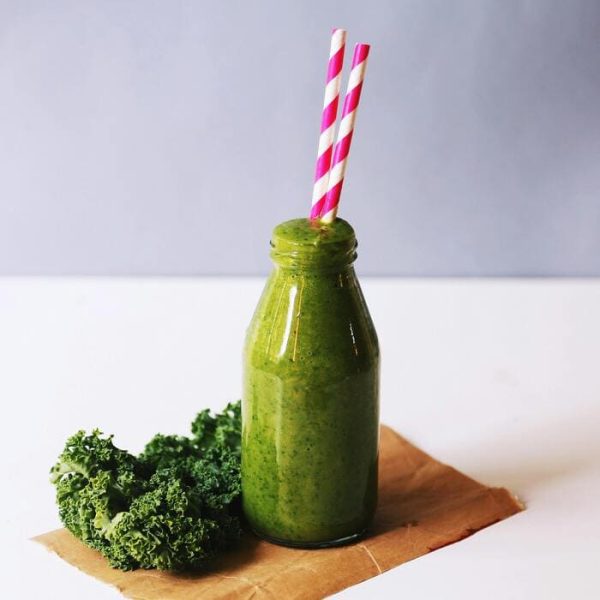
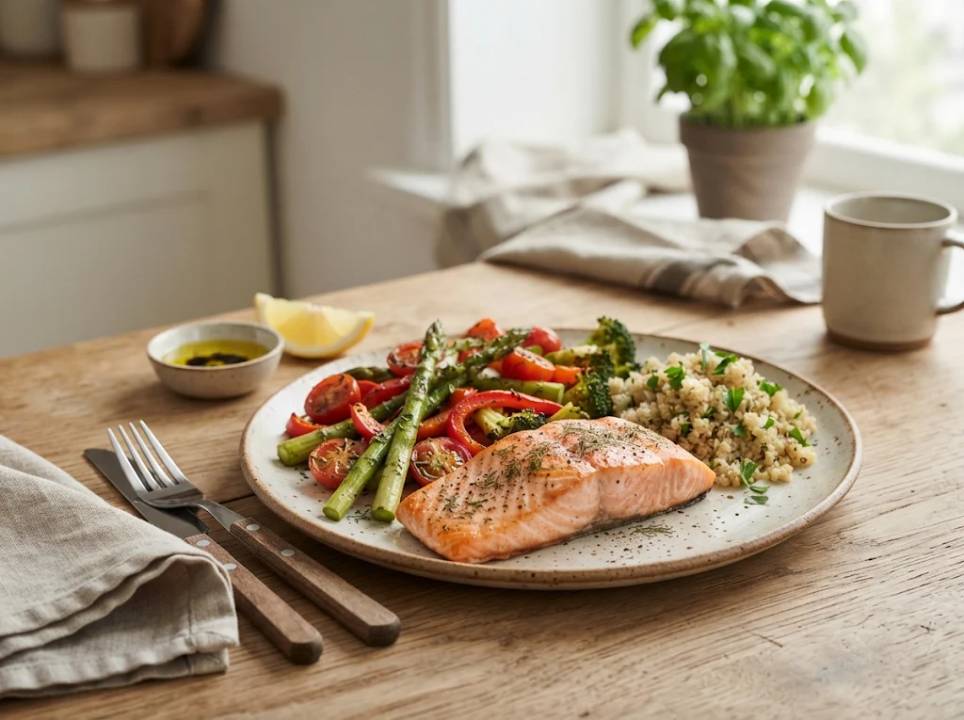
Build meals around vegetables, fruit, legumes, whole grains, nuts, fish and olive oil. Limit processed meat, sugary drinks, refined snacks and excess salt. The Mediterranean pattern is among the best studied and is easy to adapt to many cuisines and budgets.
Cook at home when you can, read food labels and keep portions reasonable. You do not need a perfect diet, only a pattern that you can maintain for years.
Move More Throughout the Day
Adults benefit from at least 150 minutes of moderate activity each week, such as brisk walking, cycling or swimming, plus two sessions of strength training. If that sounds like a lot, start with ten minutes after meals and build up.
Sitting for long periods is a risk in itself. Stand up, stretch and walk every hour, especially if you work at a desk.
Maintain a Healthy Weight
Extra weight around the waist raises blood pressure, cholesterol and diabetes risk. Even a loss of five to ten percent of body weight can improve all three. Aim for gradual progress through food quality, movement and sleep rather than crash diets.
Support from friends, family or a dietitian makes habits easier to keep. Celebrate progress that is not measured on the scale, such as energy and stamina.
Stop Smoking and Limit Alcohol
Smoking damages blood vessels and sharply raises the risk of heart attacks. Quitting brings benefits within weeks and larger ones over the years. Ask your doctor about nicotine replacement, medication and counseling.
If you drink alcohol, keep it moderate. Heavy drinking raises blood pressure and can weaken the heart muscle.
Manage Stress and Sleep
Long-term stress and poor sleep are linked to higher blood pressure and unhealthy habits. Regular exercise, time outdoors, relaxation techniques and social contact all help. Aim for seven to nine hours of sleep and keep a consistent schedule.
If you snore loudly or wake up tired, talk to a doctor about sleep apnea, which strains the heart.
Recognize Warning Signs
Chest pain or pressure, shortness of breath, pain in the arm, jaw or back, sudden sweating, nausea or dizziness can signal a heart attack. Women may experience fatigue, breathlessness or nausea rather than classic chest pain.
Call the emergency number immediately if you suspect a heart attack. Do not drive yourself, and do not wait to see whether symptoms pass.
Regular Checkups and Medication
If a doctor prescribes medication for blood pressure or cholesterol, take it as directed and ask about side effects rather than stopping on your own. Keep appointments, even when you feel fine.
Bring a list of all medicines and supplements to each visit. Pharmacists can answer practical questions about timing and interactions.
Heart Health at Different Ages
In your twenties and thirties, build habits and know your family history. In midlife, monitor numbers carefully and manage stress. After sixty, focus on movement, balance, medication and social connection.
Family history matters. If a parent or sibling had early heart disease, tell your doctor so screening can start sooner.
Reliable Sources of Information
Health advice online varies widely in quality. Choose sources run by medical organizations, universities and public health agencies. The American Heart Association healthy living guide offers clear, evidence-based advice on food, activity and prevention.
Be careful with miracle cures and extreme diets. If a claim sounds too good to be true, check it with your doctor.
Health Records and Care Across Borders
People who live, study or travel abroad often need to share medical records with new doctors. Test results, discharge letters and prescriptions must be translated accurately so that treatment decisions are safe. Patients moving to Brazil or Portugal may look for english to portuguese translation services for these documents.
Our guide to medical document translation explains what to prepare and why professional translation matters when health is involved.
Digital Tools for Heart Health
Fitness trackers, blood pressure monitors and nutrition apps can support healthy routines. Use them to notice trends, not to cause anxiety. Share readings with your doctor.
Choose devices with a good reputation and keep your data secure.
Build Habits That Last
Start with one change, such as a daily walk, and add another after a few weeks. Link new habits to existing routines, track progress and plan for obstacles. Social support increases success.
Be patient with setbacks. Consistency over years matters more than perfection over days.
Involving Your Family
Heart-healthy habits are easier when the household shares them. Cook together, walk after dinner and keep healthy snacks visible. Children learn by watching adults.
Family support also helps those who have already had heart problems to recover.
Common Myths
Myths include the idea that heart disease only affects older men, that you would always feel symptoms, or that supplements can replace healthy habits. None is true.
Checking facts protects your health.
Final Thoughts
A healthy heart is the result of many small choices made consistently. Know your numbers, eat well, move often, rest and seek help early. Use reliable sources and talk openly with your doctor.
Start today with one simple step, and keep going.
Heart-Healthy Cooking at Home
Swap butter for olive oil, add beans to soups and salads, grill or bake fish instead of frying and season with herbs rather than extra salt. Plan meals for the week, shop from a list and prepare larger batches so that healthy choices are easy when you are tired.
Small changes in the kitchen add up to a big effect over months and years.
Understanding Cholesterol and Blood Pressure Results
LDL cholesterol is often called bad cholesterol and HDL good. Blood pressure is written as two numbers, systolic over diastolic. Your doctor interprets them in the context of your age, family history and other conditions. Ask what your target numbers are and how often you should be tested.
Home blood pressure monitors can help you track readings between visits.
Exercise Ideas for Beginners and Busy People
Walk during phone calls, take stairs, join a community class or exercise with a friend. Use short bursts of activity during the day if long sessions are difficult. Choose activities you enjoy so that you keep doing them.
Check with your doctor before starting intense exercise if you have heart conditions or other risk factors.